Facebook
 X
X
 Pinterest
 Copy Link
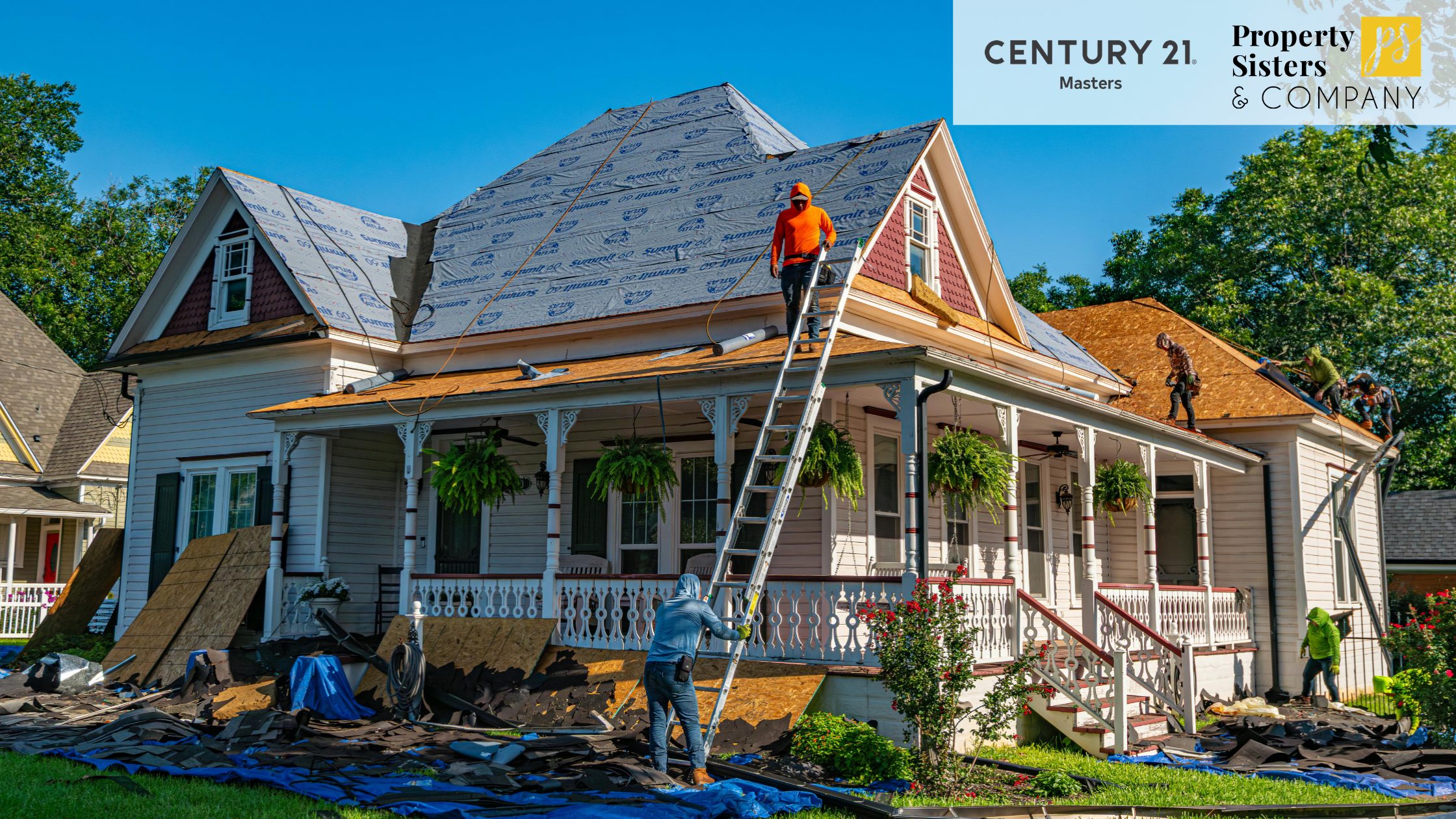
What Decreases Property Value the Most?
Understanding what decreases property value is essential whether you’re preparing to sell, protecting your investment, or simply curious about your home’s worth. While some factors remain outside your control, many value-draining issues can be addressed with strategic action. Here are the most significant factors that can decrease your property value—and what you can do about them.
Poor Location and Neighborhood Issues
Location remains the single most powerful factor affecting property value, and it’s largely beyond your control. Homes situated near noisy highways, airports, train tracks, or busy commercial areas consistently sell for less than comparable properties in quieter locations.
Noise pollution significantly impacts value. A study analyzing San Diego County homes found that once noise levels exceeded 60 decibels—equivalent to conversation in a restaurant—property prices began dropping by hundreds of thousands of dollars. Homes near emergency services using sirens, busy off-ramps, or industrial facilities face similar challenges.
Proximity to undesirable facilities also depresses values. Being close to power plants, prisons, factories, junkyards, or facilities with unpleasant odors like pig farms can greatly decrease property value. Research shows that construction of a power plant within two miles of a home can reduce its value by as much as seven percent.
School quality plays a crucial role as well. Neighborhoods with declining school districts or rising crime rates typically experience property value erosion, as families prioritize safety and education when choosing where to live.
Neglected Maintenance and Deferred Repairs
One of the fastest ways to devalue your property is letting small maintenance issues accumulate. Leaky faucets, broken windows, roof damage, or outdated electrical systems may seem minor individually, but collectively they signal neglect to potential buyers.
Buyers assume that visible maintenance problems indicate hidden issues they can’t see. A small plumbing leak might not seem urgent, but over time it can cause structural damage, high water bills, or mold growth. When buyers encounter deferred maintenance, they factor repair costs into their offers—and often pad those estimates generously to account for unknowns.
Major systems requiring attention include roofing, HVAC, plumbing, electrical, and foundation. These aren’t optional fixes—they’re essential to maintaining your home’s value and marketability.
Poor Curb Appeal and Exterior Condition
First impressions matter tremendously in real estate. Your home’s exterior is what potential buyers see first, and poor curb appeal can reduce perceived value before anyone steps through the door.
Neglected landscaping, peeling paint, damaged siding, or an unkempt driveway all signal that the property hasn’t been cared for. Even if your interior is immaculate, buyers who are turned off by the exterior may never give your home a chance.
Regular lawn care, exterior painting every five to seven years, clean walkways, and well-maintained landscaping protect your investment. These relatively affordable improvements deliver outsized returns by making positive first impressions.
Outdated Kitchens and Bathrooms
Kitchens and bathrooms date homes faster than any other rooms. Homes with outdated fixtures, countertops, cabinets, and appliances from decades past generally sell for less, as buyers factor renovation costs into their offers.
These are the two most important rooms in most homes. An outdated kitchen with laminate countertops from the 1990s, original appliances from the 1980s, or bathrooms with pink tile and brass fixtures immediately signal that significant investment will be needed.
Even minor updates make substantial differences. Replacing outdated fixtures, repainting cabinets, adding modern hardware, or updating lighting can refresh these spaces without complete renovations. However, homes requiring full kitchen and bathroom overhauls face the steepest value reductions.
Hazardous Materials and Environmental Concerns
Properties containing hazardous materials face serious value impacts. Asbestos, lead paint, radon, mold, or other environmental contaminants create health concerns that deter buyers and complicate transactions.
These issues require professional remediation, which is expensive and time-consuming. Many buyers simply walk away rather than dealing with the hassle and potential health risks. Those who remain interested demand substantial price reductions to account for remediation costs and the stigma associated with contaminated properties.
If your home contains known hazards, addressing them before listing protects your value and expands your buyer pool. Transparency is essential—failure to disclose known hazards can result in legal liability even after closing.
Bad DIY Work and Unpermitted Renovations
DIY projects can save money upfront, but only if executed properly. Poorly done repairs or remodeling projects that aren’t up to code can significantly decrease property value. If renovations look like “Uncle Bob came over and did some work after a handful of beers,” buyers will penalize you accordingly.
Unpermitted work creates even bigger problems. Additions, electrical upgrades, or plumbing modifications done without proper permits can result in code violations, difficulty obtaining insurance, and complications when selling. During inspections, unpermitted work often must be brought up to code at the seller’s expense or result in substantially reduced offers.
Always obtain necessary permits for significant projects and hire licensed professionals for work beyond your skill level. The peace of mind and value protection far outweigh the upfront savings from cutting corners.
Foreclosures and Distressed Properties in Your Neighborhood
Even if your home is immaculate, nearby foreclosures can drag down your property value. Foreclosures often become comparables that appraisers use when valuing your home, and they typically sell below market rates.
Multiple foreclosures in your area signal market instability to potential buyers, making them hesitant even about purchasing the nicest house on the block. Foreclosed properties often sit vacant and deteriorate, creating eyesores that affect the entire neighborhood’s perception.
While you can’t control foreclosures near you, you can highlight your property’s unique strengths and the positive aspects of your community when marketing. Professional staging and presentation become even more critical when competing against distressed sales.
Overpersonalization and Unique Features
Making your home reflect your personality is wonderful while you’re living there, but extreme personalization can alienate buyers when selling. Bold paint colors, highly specific design choices, unusual architectural modifications, or niche features make it harder for buyers to envision themselves in the space.
Examples include converting garages into living spaces (most buyers expect garages for parking and storage), removing closets or bathrooms to expand bedrooms (buyers prefer the original configuration), or installing features like elaborate murals, unusual lighting, or theme rooms.
In colder climates like Alberta, swimming pools actually decrease property value despite the expense of installation. The maintenance burden, safety concerns, and limited use outweigh perceived benefits for most buyers.
Lack of Storage Space
Storage consistently ranks among buyers’ top priorities, and homes lacking adequate storage face value penalties. Insufficient closets, limited cabinet space, or no garage storage forces buyers to imagine their belongings cluttering every room.
Modern lifestyles require storage for seasonal items, sports equipment, tools, holiday decorations, and everyday clutter. Homes without these basics appeal to fewer buyers and command lower prices. Consider adding built-in storage solutions, organizing systems, or converting unused spaces into functional storage to address this issue.
Functional Obsolescence
Functional obsolescence refers to features or layouts that are outdated or no longer practical. This includes floor plans with awkward room configurations, limited electrical outlets for modern technology, small closets, singlebathroom homes, or obsolete systems.
Examples include homes with only one bathroom (buyers expect at least two), kitchens isolated from living areas (open concepts are preferred), or insufficient electrical capacity for modern appliances and devices. These issues require expensive modifications to correct, depressing value accordingly.
Unfinished Spaces
An unfinished basement represents a significant drawback for many buyers. While finishing basements is expensive, leaving them unfinished means buyers see a large, unusable space that requires substantial investment to make functional.
You don’t necessarily need to finish your basement before selling, but understand that buyers will factor completion costs into their offers. Be prepared to adjust your asking price to account for this expense and the inconvenience of undertaking the project.
Economic and Market Factors
External economic conditions dramatically impact property values, though they’re completely beyond your control. During economic downturns, home values often decline as people have less disposable income and fewer buyers enter the market.
Rising interest rates make mortgages more expensive, reducing affordability and shrinking the buyer pool, which drives down home values. Local economic struggles—factory closures, major employer departures, or industry downturns—hit property values especially hard.
Market supply and demand dynamics also matter. When inventory exceeds demand, properties become less valuable as buyers enjoy selection and negotiating power. This is exactly what’s happening in many Alberta markets through 2025, where record new construction has created abundant supply.
What You Can Control vs. What You Can’t
The good news is that many value-draining factors are within your control. Regular maintenance, strategic updates, proper repairs, good landscaping, and professional presentation all protect and enhance your property value.
Factors beyond your control—location, neighborhood trends, economic conditions, nearby foreclosures— require different strategies. You can’t change these realities, but you can highlight your home’s positive attributes, price realistically for current conditions, and time your sale strategically.
Taking Protective Action
To protect your property value:
Maintain consistently: Address small issues before they become big problems. Follow a regular maintenance schedule covering all major systems and components.
Update strategically: Focus on kitchens and bathrooms first, as these deliver the best return on investment.
Choose neutral, widely appealing finishes over trendy or personalized choices.
Enhance curb appeal: Keep your exterior well-maintained with fresh paint, attractive landscaping, and clean walkways. First impressions set the tone for everything that follows.
Disclose honestly: Transparency about known issues builds trust and prevents legal problems. Address significant defects before listing rather than hoping buyers won’t notice.
Monitor your market: Stay informed about neighborhood trends, comparable sales, and economic conditions affecting your area. Understanding your context helps you make better decisions about timing and pricing.
The Bottom Line
Property value depends on numerous factors, some within your control and others not. Location, neighborhood conditions, and economic forces operate beyond your influence, but maintenance, updates, and presentation remain firmly in your hands.
The most significant value decreases come from neglected maintenance, poor location factors, outdated major spaces, environmental hazards, and unfavorable market conditions. By addressing controllable factors proactively and understanding uncontrollable ones realistically, you can protect your investment and maximize your home’s value when it’s time to sell.
Your home represents a substantial investment. Protecting that investment requires ongoing attention, strategic improvements, and awareness of factors that might erode value. Whether you’re planning to sell soon or simply protecting long-term value, understanding what decreases property value empowers you to make informed decisions that serve your financial interests.