Home Ownership Tips October 13, 2025

Beyond Orange & Pumpkin: The Fall Colour Palettes Designers Swear By

Beyond Orange & Pumpkin: The Fall Colour Palettes Designers Swear By

When most people think of fall, they picture cozy sweaters, cooler weather, and a lot of orange. But in interior design, fall 2025 is shaping up a little differently.

According to the latest color trend reports from Homes & Gardens and Vogue, the usual fall décor staples are taking a backseat to more refined palettes. These new combinations are less about seasonal kitsch and more about adding depth, calm, and style that lasts beyond a few weeks of pumpkin spice season.

Whether you’re updating your space for the season, prepping your home for market, or just like to keep up with what’s current, here’s a look at the designer-approved fall palettes we’re seeing this year.


Sapphire, navy, and charcoal are standing in for black

If you’re looking for a way to make a room feel grounded without going full moody, dark blue is the standout. Homes & Gardens points to blue as one of fall’s most sought-after shades, especially in deeper tones like charcoal blue and navy.

What makes these colors work is contrast. Instead of painting an entire room, designers are recommending navy feature walls, charcoal bookshelves, or dark blue cabinetry paired with lighter neutral furnishings. Add in warm wood tones or a few gold accents, and the space feels intentional, not heavy.

If you’ve been thinking about updating a room that gets a lot of evening light, these cooler, smoky shades create the kind of cozy that feels elevated instead of seasonal.

Plum and ochre feel luxe but not loud

The pairing of plum and ochre is showing up in everything from textiles to wall paint this fall. Plum is being used in velvets, deep florals, and statement art. Ochre, think soft gold or muted clay, is showing up in accent chairs, pillow fabrics, and ceramic pieces.

Both colors are saturated enough to create visual interest but soft enough to blend with neutral tones. According to Vogue’s recent color trend feature, purples and golds are making a comeback, but in more restrained, tonal ways. This palette works especially well when layered over taupe, greige, or mushroom tones, and can be pulled into a space through art, textiles, or accent furniture.

For homeowners considering small updates before selling, these colors are an easy way to make a space feel thoughtful and current without repainting every wall.

Mushroom neutrals are the new go-to base

If there’s one theme that’s holding steady in fall 2025, it’s neutrals, but not just any neutrals. The new favorite is what designers are calling mushroom. These are soft grays and taupes with brown undertones, warmer than traditional gray and easier to pair with both cool and warm colors.

In homes being prepped for market, mushroom works well for upholstery, rugs, and even painted cabinetry. Unlike stark white or builder beige, it adds warmth without reading as dated or flat. It also gives future buyers a sense of calm and flexibility, making it easier to picture their own belongings in the space.

If you’re staging or refreshing a room this fall, mushroom tones create a grounded backdrop for layering in deeper fall accents.

Burnished gold and oxblood are replacing bright metallics

Traditional golds and brassy finishes are being replaced this season with more muted versions—burnished gold, aged brass, and brushed bronze. These finishes still add warmth but with less shine, which helps a room feel composed instead of flashy.

At the same time, oxblood is making its way into interiors in small, high-impact doses. You might see it in a leather ottoman, a piece of abstract art, or a bold accent pillow. It brings richness to a space and pairs well with both neutrals and other jewel tones.

Designers are using these colors to create visual points of interest. If you’re adding seasonal accessories or highlighting a built-in feature, this is an easy way to add depth without having to commit to a major update.

Earthy greens are being used as calming accents

Greens are still trending, but they’ve shifted from olive and emerald to more grounded, earthy tones. Homes & Gardens highlights moss, sage, and dill as top color picks for fall. These shades are muted enough to feel subtle, but still bring a sense of nature indoors.

Earthy greens are especially useful in kitchens, entryways, and home offices, anywhere you want a color that helps the space feel both structured and relaxed. We’re seeing them used in cabinetry, painted furniture, and even window treatments.

In homes that already lean neutral, adding this kind of green through art, vases, or soft textiles brings the right amount of seasonal energy without going overboard.

How to update a space without a full redesign

One thing that makes these 2025 fall palettes so approachable is that they work well in small doses. You don’t need to repaint your entire house or redo your furniture. Many of these tones can be introduced through textiles, accessories, or a few strategic paint choices.

Try a bold wall or built-in

Accent walls are still very much in play. A navy or charcoal wall in a bedroom, dining room, or home office instantly shifts the mood. Painted built-ins or shelving units are another way to bring in color without committing to a full room transformation.

Layer texture with color

The colors designers are recommending this season also lean heavily on texture. Velvet, wool, boucle, and natural ceramics help reinforce the warmth of a space. A mushroom-tone boucle chair paired with a gold-toned lamp or a plum velvet throw can create a moment in a room that feels seasonal but still cohesive.

Use art and accessories to rotate seasonally

You don’t have to fully redecorate to acknowledge the season. Wall art in oxblood or moss green, decorative bowls in soft ochre, or even books grouped by color are enough to set the tone. These are easy to change out later, which is helpful both for homeowners who like variety and for sellers looking to update without investing in permanent changes.

Palette pairings we’re seeing this fall

Here are a few combinations designers are working with right now:

  • Navy with mushroom and aged brass
  • Plum with ochre and soft white
  • Moss green with charcoal and walnut
  • Oxblood with taupe and brushed bronze
  • Sage green with ivory and burnished gold

Each of these palettes works across a range of design styles, from contemporary to traditional, and can be adjusted with small changes in tone or texture. They’re also useful for sellers who want a home to feel current but not overly stylized.

A season for subtle shifts

Fall tends to bring out a desire to make spaces feel more comfortable and grounded. These updated palettes help with that without relying on the usual seasonal themes. They feel warm and composed, not overly decorated.

If you’re considering a small refresh this season, or you’re thinking about how your home will show to potential buyers, these palettes offer a good place to start. A few thoughtful choices can shift the entire feel of a room without requiring a major investment.


Home Selling TipsMarket Insights October 6, 2025

Perks That Pay Off: Smart Seller Incentives That Nudge Buyers to Act

Perks That Pay Off: Smart Seller Incentives That Nudge Buyers to Act

In markets where borrowing costs remain elevated, many buyers remain hesitant. Even motivated buyers are slower to make decisions, more cautious about perceived risk, and highly sensitive to upfront costs. While price adjustments remain one tool to spark interest, many sellers are turning to targeted incentives that lower buyer friction without undercutting their valuation strategy.

Recent data from Redfin shows that seller concessions have become more widespread in 2025, with 44 percent of homes sold in early spring including some form of incentive. In high-cost metros, that figure jumped to over 70 percent. From financial perks like interest rate buydowns to logistical offers like flexible closings, the goal is consistent: reduce barriers and make the offer process more appealing.

This article outlines five categories of incentives that sellers are using to move their properties without reducing list price.


Interest Rate Buydowns: A Cost-Effective Alternative to Price Cuts

One of the most effective financial incentives currently in use is the temporary interest rate buydown. In this scenario, the seller pays an upfront amount to the buyer’s lender, reducing the buyer’s interest rate for a fixed period (often one to three years).

According to FirstBank Mortgage, this strategy can be less expensive than reducing the home’s sale price while offering meaningful monthly savings to the buyer. For example, a $6,000 buydown may save a buyer over $200 per month for the first two years of their mortgage, comparable in impact to a $25,000 price reduction.

Buyers who expect to refinance in the near term often see added appeal in this type of structure, which reduces early payment burden without requiring permanent financing changes. For sellers, it allows the property to remain competitively priced while addressing rate-related concerns directly.

Home Warranties: Reducing the Unknowns

Offering a home warranty is another widely used strategy, particularly for older homes or properties without recent system upgrades. A one-year home warranty can cover major appliances, HVAC systems, and plumbing issues, providing buyers with protection against unexpected expenses during their first year of ownership.

Data from NFM Lending indicates that home warranties are among the top three incentives sellers choose to provide, alongside closing cost contributions and interest rate buydowns. They are often bundled with inspections to reassure buyers without requiring sellers to undertake major renovations or replacements pre-sale.

Rather than investing in new systems or cosmetic upgrades, the home warranty approach shifts the focus to reducing buyer risk. This can be especially effective when selling to first-time buyers or when local inventory includes similar properties without this protection.

Targeted Credits for Buyer Improvements

Sellers are also offering specific allowances for cosmetic updates or deferred maintenance. These credits can be applied toward painting, flooring replacements, or minor remodeling work that buyers plan to undertake after closing.

Instead of investing in staging or renovations with uncertain return, this strategy lets the buyer make changes according to their preferences while still feeling they’re getting added value. The allowance model is particularly effective when paired with agent marketing that highlights the property’s potential, such as before-and-after renderings or cost breakdowns for popular upgrades.

Unlike blanket price cuts, improvement credits can be structured to appear within a buyer’s closing disclosure, making them visible and impactful during negotiations without changing the broader valuation framework.

Prepaid Costs: Making the Upfront Math Easier

For buyers navigating high closing costs, even small contributions toward prepaids, such as homeowner association dues, property taxes, or utility credits, can ease decision-making. While often overlooked, these smaller incentives can stand out in competitive segments, especially among first-time or cost-conscious buyers.

In recent builder trends reported by NewHomeSource, prepaid cost coverage has been bundled with promotional financing offers, combining short-term cash relief with long-term payment structures. Resale sellers are adopting similar approaches by offering to cover the first few months of HOA dues or including a utility credit at closing.

These offers are particularly effective in suburban neighborhoods with high amenity fees or in markets where buyers are moving from lower-cost areas and adjusting to new budget pressures.

Flexibility on Timing: A Non-Monetary Incentive with High Value

Incentives do not have to be financial to be effective. Flexibility in timing, such as offering a rent-back period, delayed occupancy, or a coordinated close, can solve logistical concerns that prevent a buyer from moving forward.

eXp Realty’s 2025 seller advisory notes that flexibility incentives are especially effective with buyers who are simultaneously selling their current homes or relocating across regions. In these cases, aligning with the buyer’s preferred timeline may outweigh other competitive factors.

Sellers working with experienced agents can frame this as a planning advantage rather than a concession, reinforcing the property’s marketability while accommodating a smoother closing process.

A Market Defined by Hesitation

Across multiple sources, a consistent theme emerges: sellers are navigating a slower, more deliberate market shaped by financing concerns and risk aversion. Redfin’s 2025 market analysis attributes the rise in concessions not to distress, but to changing buyer behavior. Sellers who adapt by offering targeted solutions are better positioned to maintain their list price while accelerating buyer decisions.

Incentives that address rate concerns, repair anxiety, or cash-on-hand issues are proving to be more impactful than generic price reductions. Rather than reducing value, they redirect the buyer’s attention toward ease and confidence.

Summary of Incentive Types

Here’s a quick breakdown of the most common seller incentives used in 2025, along with when they’re most effective and the typical benefit to buyers:

Interest Rate Buydowns
Often structured as a “2-1 buydown,” this incentive lowers the buyer’s interest rate for the first two years of their loan. Sellers pay an upfront fee to the lender, helping buyers enjoy significantly lower monthly payments early on, without cutting the home’s sale price. Ideal for rate-sensitive buyers who plan to refinance later.

Home Warranties
Sellers can offer a one-year warranty covering HVAC, appliances, plumbing, and other systems. This reduces buyer hesitation around future repair costs and is especially useful when marketing older homes or those without recent upgrades.

Improvement Credits
Rather than renovating before listing, some sellers offer a flat credit, say, $5,000, for cosmetic updates. This allows buyers to personalize the home post-sale and makes the listing more appealing without up-front investment. Particularly effective when paired with visuals of the home’s potential.

Prepaid Costs
Covering several months of HOA dues, offering a utility credit, or prepaying property taxes are all small but impactful ways to lower buyers’ out-of-pocket costs at closing. These incentives help first-time and budget-conscious buyers navigate sticker shock without altering the sale price.

Flexible Closing Terms
Non-monetary but highly valuable, flexibility around closing dates, move-in schedules, or offering a short rent-back period can ease logistical concerns, especially for buyers relocating or selling their current home at the same time. This often becomes a deciding factor in competitive scenarios.

Final Thoughts

Sellers are not required to offer every incentive listed, nor are all incentives appropriate for every property. However, in a market defined by elevated rates and slowed decision cycles, these tools offer ways to stand out without reducing the home’s asking price. Each one addresses a specific point of hesitation and can be adapted to align with local conditions, buyer profile, and listing strategy.

Rather than defaulting to price reductions, sellers can ask: what’s keeping buyers from acting, and what small adjustment might help them move forward?

Home Buying Tips September 29, 2025

Cozy, Smart & Climate-Ready: What Buyers Want in Fall 2025 (and What to Watch For)

Cozy, Smart & Climate-Ready: What Buyers Want in Fall 2025 (and What to Watch For)

If you are searching for a home this fall, you are likely thinking about more than just price or square footage. The homes that stand out now are the ones that feel right, not only in how they look, but in how they function day to day.

That includes how the layout supports your routine, how efficient the systems are, and how prepared the home is for long-term comfort and stability. According to Zillow’s analysis of Fall 2025 listing data, buyers are paying more attention to features that combine calm design with practical resilience. Search terms like “cozy,” “solar,” and “whole-house battery” are becoming more common, pointing to a shift in what buyers are prioritizing during their search.

If you are actively touring homes or preparing to, here are some things to notice as you move through each space, and a few questions worth asking before you schedule your next showing.


Before you tour, ask yourself:

  • What matters most in your daily routine?
  • Are there features that make life easier, not harder?
  • How much work are you willing to take on after closing?
  • Do you want something already efficient, or are you open to upgrading?

Layouts that feel calm and easy to live in

Some of the most viewed listings this season include layouts that feel natural to move through, not oversized or overly styled, but grounded and flexible. Instead of completely open spaces, many buyers are looking for homes with a few clearly defined areas. Den spaces, built-in benches, and smaller living areas that allow for privacy or retreat are getting more attention.

Zillow notes that the word “cozy” is showing up in listings more often this year than in the past two. That trend is reflected in design choices too. Matte finishes, natural wood, stone accents, and earth-toned color palettes are all showing up more frequently.

As you walk through a home, notice how the layout feels. Can you imagine winding down here at the end of the day? Are there spaces to retreat, or does everything feel like one large room?

Older charm with updated systems

If you’re touring a home with original woodwork, vintage tile, or arched doorways, take a closer look behind the walls. Many of this fall’s most competitive listings pair classic features with updated plumbing, electrical, HVAC, or roofing.

The ideal balance is a home that looks like it has history but works like it has already been through inspection. That includes basics like working outlets and functional ductwork, but also newer insulation and modern water heaters.

If you’re walking through an older property, ask when the last major system updates were completed. Aesthetic character can be a plus, but it is easier to enjoy when it doesn’t come with a long repair list.

Energy efficiency and smart systems that actually work

Features that reduce monthly costs or improve comfort are moving higher up on buyer checklists. That includes smart thermostats, heat pump water heaters, zoned HVAC, and high-efficiency appliances.

Listings are also calling out automated lighting, whole-home monitoring, or smart window treatments. If you’re viewing a home with any of these features, ask whether the systems are connected to a central hub or managed independently. Some setups are simple and useful, while others may require ongoing subscriptions or complicated apps.

Focus less on the number of gadgets and more on how they support livability. Are the systems easy to control? Have they been maintained? Are they compatible with what you already use?

Climate-resilient upgrades

Zillow has seen a clear rise in the number of listings that mention solar panels or whole-house battery storage. These features are especially appealing in areas where weather disruptions, power outages, or extreme temperatures are becoming more common.

You may also see listings that mention drainage improvements, rainwater collection, sump pumps, or drought-tolerant landscaping. These upgrades are not just about sustainability. They reduce surprise maintenance and help the home hold up better over time.

If you’re touring in a region affected by storms, heatwaves, or fire risk, ask whether the property includes any climate-adaptive features. They may not be flashy, but they can make a big difference in the years ahead.

Bathrooms, storage, and daily ease

One area where trends and practicality are meeting is in the bathroom. Spa-style layouts, particularly wet rooms that combine the tub and shower into one open waterproof space, are showing up more frequently. These spaces are easier to clean and more flexible for different household needs.

Buyers are also noticing how laundry rooms, entryways, and kitchen storage are set up. Look for layouts that reduce friction. That could mean clean drop zones near the door, natural lighting in work areas, or well-organized utility spaces that don’t feel like an afterthought.

During your tour, think about how your daily routine would play out in the space. Will you need to reconfigure things just to function, or is it already working for how you live?

What to watch out for

While some homes are standing out for the right reasons, others are starting to show signs of over-personalization or deferred maintenance. Highly specific paint choices, lawns that require constant upkeep, or appliances nearing the end of their life cycle are becoming easier for buyers to skip over.

Even some smart systems can become a downside if they aren’t well-integrated or come with hidden costs. If a home seems overloaded with automation but nothing is connected, or the seller can’t explain how it works, that may signal more hassle than value.

Outdated wiring, patchy insulation, and older HVAC units are also top of mind. Many buyers are asking about energy bills up front. If a listing can’t show how the home performs, it may not be worth pursuing further.

A practical lens for your home search

Buying a home this fall means thinking beyond the list of features. It is about recognizing how a space will support you not just at closing, but in the seasons and years to come.

That might involve asking questions about energy performance, understanding what certain upgrades actually do, or spotting the difference between cosmetic staging and a home that is truly easy to live in.

We help buyers look at homes with both lifestyle and logistics in mind. That means identifying which elements are worth investing in and which ones could create challenges later. It also means helping you stay focused on what matters most for your goals, not just what photographs well.

Airdrie Real EstateCochrane Real EstateLocal Neighborhoods September 22, 2025

Your Ultimate 2025 Guide to Farmers Markets & Fall Festivals in Calgary & Area

Your Ultimate 2025 Guide to Farmers Markets & Fall Festivals in Calgary & Area

🍂 Introduction: Celebrate Local Life Around Calgary

Looking for weekend plans that go beyond the usual routine? From fresh veggies to handmade gifts and cozy autumn vibes, the Calgary and Area farmers’ markets and fall festivals are where local life really comes alive.

Whether you’re in Airdrie, Cochrane, Okotoks, or downtown Calgary, these community events are perfect for exploring new neighborhoods, supporting local makers, and soaking in small-town charm — without ever leaving your backyard.

🥕 Farmers Markets & Fall Festivals in Calgary & Area 2025

Airdrie Christmas Show 2025

📍 Town and Country Center, 275 Jensen Drive, Airdrie
🗓 Nov 7 (10am–7pm), Nov 8 (10am–4pm), Dec 6 (10am–4pm)
🎟 Free Admission
🗺 Google Maps

Airdrie’s signature holiday market features local vendors, festive décor, and great gift ideas. A must-visit for families getting an early start on holiday shopping.

Cochrane Christmas Farmers’ Market

📍 SLS Centre, Cochrane
🗓 Dec 13–14, 2025 (10am–4pm)
🎟 Free Admission
🗺 Google Maps

This indoor market is the perfect blend of local spirit and mountain-town charm, offering handmade crafts, baking, and friendly small-town energy.

Calgary Farmers’ Market South

📍 510 77th Avenue SE, Calgary
🗓 Jan 2 – Dec 28, 2025 | Thurs–Sun, 9am–5pm
🎟 Free Admission
🗺 Google Maps

One of Calgary’s favorites, featuring everything from organic produce to gourmet foods and artisan gifts. A weekend staple for locals across the south side.

Calgary Farmers’ Market West

📍 25 Greenbriar Drive NW, Calgary
🗓 Jan 1 – Dec 28, 2025 | Wed–Sat 9am–7pm, Sun 9am–5pm
🎟 Free Admission
🗺 Google Maps

Set in Calgary’s scenic northwest, this market is perfect for exploring west-side neighborhoods and picking up something unique each week.

Cremona Farmers’ Market

📍 109 Railway Ave W, Cremona
🗓 May 18 – Oct 19, 2025 | Sundays 11am–4pm
🎟 Free Admission
🗺 Google Maps

A small-town market with a big heart — discover local produce, handmade treats, and a friendly community vibe worth the short drive.

Crossfield Farmers Market (Christmas Market)

📍 900 Mountain Ave, Crossfield
🗓 Nov 7–8, 2025
🎟 Free Admission
🗺 Google Maps

A charming market featuring holiday crafts, treats, and decorations — perfect for a festive afternoon in Crossfield.

Farmers & Makers Market (Marda Loop)

📍 1721 29 Ave SW, Calgary
🗓 May 24 – Dec 27, 2025 | Saturdays 10am–2pm
🎟 Free Admission
🗺 Google Maps

A vibrant city market in the heart of Marda Loop with food trucks, live music, and local artisans — a great way to spend a Saturday in one of Calgary’s trendiest neighborhoods.

Hillhurst Sunnyside Farmers’ Market

📍 1320 5 Ave NW, Calgary
🗓 Wednesdays 3–7pm (Seasonal)
🎟 Free Admission
🗺 Google Maps

A long-standing community market loved for its local produce, eco-friendly vibe, and neighborhood charm just minutes from downtown.

Millarville Farmers’ Market

📍 306097 192 St West, Millarville
🗓 Jun 21 – Oct 11, 2025 | Saturdays 9am–2pm
🎟 Free Admission
🗺 Google Maps

Take a scenic drive and spend the morning browsing fresh farm goods and handmade products at this iconic Alberta market.

Millarville Christmas Market

📍 306097 192 St West, Millarville
🗓 Nov 6–9 & Nov 13–16, 2025 | 9am–4pm
🎟 Paid Admission
🗺 Google Maps

A local holiday tradition filled with festive décor, live music, and artisan shopping — it’s one of the most beloved Christmas markets near Calgary.

Carstairs Christmas Craft Market

📍 Carstairs Community Hall
🗓 Nov 14, 2025 | 1pm–8pm
🎟 Free Admission
🗺 Google Maps

A cozy small-town event with handmade crafts and community spirit. Perfect for supporting local artisans while enjoying a festive evening.

Bearspaw Fall Harvest Market

📍 Bearspaw Community Association
🗓 Oct 24–26, 2025 | Fri & Sat 10–5, Sun 10–4
🎟 Free Admission
🗺 Google Maps

Celebrate all things autumn with pumpkins, baked goods, and artisan crafts — a beautiful fall experience just minutes from northwest Calgary.

Bearspaw Christmas Market

📍 Bearspaw Community Association
🗓 Nov 28–30 & Dec 5–7, 2025 | Fri 11–5, Sat 10–7, Sun 11–5
🎟 Free Admission
🗺 Google Maps

A festive favorite for those who love browsing unique gifts and enjoying the warmth of a local community market.

Didsbury Christmas Market

📍 Zion Church, Didsbury
🗓 Oct 25, 2025 | 10am–4pm
🎟 Free Admission
🗺 Google Maps

Holiday cheer meets small-town hospitality at this one-day Christmas market. Great for local treats and homemade holiday gifts.

Olds Country Wonderland Market

📍 Cow Palace Event Centre, Olds
🗓 Nov 14–15, 2025
🎟 Free Admission
🗺 Google Maps

Enjoy festive shopping, delicious food, and local entertainment at one of central Alberta’s coziest Christmas markets.

Okotoks Christmas Market

📍 Foothills Centennial Centre & D’Arcy Ranch Golf Club, Okotoks
🗓 Nov 7–16, 2025
🎟 Free Admission
🗺 Google Maps

With multiple venues and a wide variety of vendors, this market is a favorite for residents from Calgary’s south and Foothills area.

International Christmas Market (Spruce Meadows)

📍 Spruce Meadows, Calgary
🗓 Nov 14–16, 21–23, 28–30, 2025 | Fri 11–8, Sat 10–7, Sun 10–6
🎟 Paid Admission
🗺 Google Maps

One of Calgary’s most iconic Christmas events! Wander through twinkling lights, sip hot cider, and explore vendors from around the world.

🌾 Why Locals Love These Events

Beyond shopping, these markets and festivals offer something special: they connect people. You’ll meet farmers, artists, and neighbors — and maybe discover your new favorite Calgary-area community.

They’re also a great way to get to know the neighborhoods if you’re thinking of moving. Each market reflects the personality of its area, from the family-friendly atmosphere in Airdrie to the cozy countryside charm of Millarville.

⚠️ Disclaimer:

Event dates, hours, and admission details may change. Always confirm current information on the official event website or social media page before attending.

💬 Join the Conversation!

Which farmers market or festival is your favorite?
Reply or message me — I’d love to hear your picks or share insider tips about the best local spots to visit this season!

Home Ownership TipsHome Selling Tips September 15, 2025

Think Twice: 7 Things Sellers Remove That Actually Help Homes Sell

Think Twice: 7 Things Sellers Remove That Actually Help Homes Sell

When preparing a home for sale, most advice centers around neutralizing: decluttering, depersonalizing, and removing anything that could distract potential buyers. But this strategy can sometimes go too far. In the rush to “make it market-ready,” sellers often remove or replace features that actually contribute to a buyer’s interest and perceived value.

Here are seven elements worth preserving, even if they seem outdated, personal, or unconventional. In many cases, these details add emotional appeal, signal quality, or make the home easier to live in, all things that matter more than a blank slate.


1. Original hardwood floors, even if scratched

Hardwood remains one of the most sought-after flooring materials. Sanding and refinishing original wood floors is often less expensive than full replacement. According to HomeLight’s year-end agent survey report for 2024, refinishing hardwood floors has the highest ROI of any pre-sale project, with homeowners recouping an estimated 147% of the project cost on average.

Buyers generally understand that floors show wear. What matters more is the material. Wood, even with minor imperfections, is typically preferred over laminate or carpet and contributes to a sense of quality and longevity. A few scuffs are rarely a dealbreaker.

2. Architectural character like medallions, moldings, and built-ins

Details like ceiling medallions, crown molding, arched doorways, built-in bookshelves, and vintage trim work may not align with every buyer’s aesthetic, but they provide something more valuable than modern homogeneity: a sense of place.

These features are often expensive to reproduce and difficult to find in new construction. While minimalism remains popular in staging, removing original design elements can erase the very character that makes a home memorable. Retaining them doesn’t prevent a sale, it can also help your property stand out.

3. Mature landscaping and established outdoor elements

Inexperienced sellers sometimes remove large trees, stone borders, or even perennial plants in an effort to simplify curb appeal. While overgrown landscaping may need pruning, mature trees and native plantings add significant perceived and actual value.

Some landscaping and tree-value guides state that a mature tree may be appraised at $1,000 to $10,000 in value, though specific impact can vary greatly by species, condition, location, and market. Buyers also respond emotionally to settings that feel settled and private. Replacing natural elements with mulch and lawn can backfire if the yard ends up feeling stark or underdeveloped.

4. Statement lighting and non-builder fixtures

While some light fixtures can be too specific to personal taste, swapping everything out for builder-basic lighting can make a home feel flat or unfinished. Decorative pendants, mid-century sconces, or antique chandeliers, if clean and functional, often give rooms a sense of completion and quality.

If a fixture is unusual but matches the scale and function of the room, consider keeping it through the listing period. The goal isn’t to appeal to every possible style preference, but to avoid a space that feels completely stripped down or generic.

5. Functional zones like mudrooms, utility sinks, or laundry nooks

Spaces that support daily life, like a designated mudroom area, garage utility sink, or laundry folding counter, might seem secondary, but they often influence how livable a home feels. Removing these for the sake of square footage or minimalism can be a mistake.

Buyers appreciate signs that a home was thoughtfully used and maintained. These features don’t need to be overhauled, just cleaned and presented clearly. The presence of a practical space is often more compelling than a perfectly styled one.

6. Natural materials with visible wear like wood, stone, or brick

Not every surface needs to be shiny and new. Buyers increasingly value authenticity in finishes, even when that means visible aging or imperfections. Original slate floors, exposed brick, or aged butcher block counters can communicate craftsmanship and permanence.

Replacing these with newer, lower-cost materials may not create the impact sellers hope for. Especially in older homes, the mismatch between old and new can be jarring. Instead of scrubbing away every sign of age, focus on maintenance and cleanliness.

7. Outdoor lifestyle touches like fire pits, water features, or hammocks

These elements may seem too personal to leave in place, but they often help buyers envision how they’ll enjoy the space. A small patio with string lights and a hammock can evoke a lifestyle, not just a layout. And for many buyers, especially in post-pandemic markets, outdoor space has become a top priority.

Removing these touches can make the yard feel sterile or empty. Instead, edit and tidy the setup. but consider leaving enough to suggest how the space is used. It’s not about decoration, it’s about possibility.

Why this matters

Buyers aren’t just evaluating square footage and upgrades, they’re responding to the story your home tells. A too-blank slate can leave them struggling to imagine life there. And when homes blend together, emotion is what tips the scales.

Neutralizing is still useful. But it should be balanced with thoughtful preservation. Ask yourself not just “what should I remove?” but also “what’s worth keeping?”

Some elements can help buyers connect with a home, see its value, or picture their life more clearly, and that connection is what sells.

Not everything needs to go.

Home Ownership Tips September 9, 2025

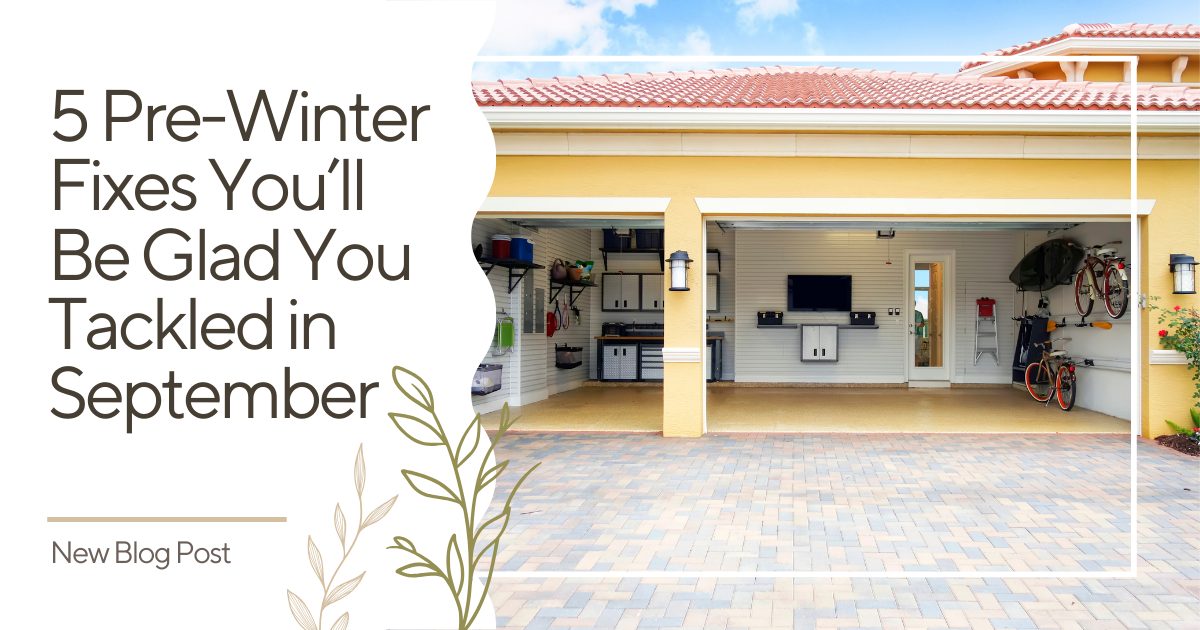
5 Pre-Winter Fixes You’ll Be Glad You Tackled in September

5 Pre-Winter Fixes You’ll Be Glad You Tackled in September

Home maintenance tends to follow a seasonal rhythm. In spring, it’s about refreshing and repairing. In summer, it’s upkeep and upgrades. In early fall, the focus shifts to prevention.

Delaying winter prep until temperatures drop can lead to higher costs and added stress. By tackling a few small projects in September, you can avoid the rush, take advantage of better weather, and head into colder months with fewer unknowns. Whether you plan to stay in your home through winter or you’re thinking about selling down the line, these fixes help keep things running smoothly.

Here are five ways to get ahead while there’s still time.


1. Check windows and doors for air leaks

Drafty doors and windows can let out more than warm air. They also make your heating system work harder, which often leads to higher energy bills. According to Natural Resources Canada, roughly a quarter of a home’s heat loss happens through poorly sealed doors and windows.

You don’t need specialized tools to spot problem areas. On a windy day, move your hand or a stick of incense slowly along the edges of frames. If you feel air movement or see the smoke shift direction, that’s a good indicator of a gap.

Common spots to check:

  • Caulking around the exterior of windows
  • Weatherstripping along door frames
  • Gaps beneath exterior doors or at patio sliders

Replacing worn weatherstripping and resealing with caulk can usually be done in a single afternoon and doesn’t require professional help.

2. Replace or clean HVAC filters

If your filters haven’t been checked since the start of summer, this is a good time to replace them. Dirty filters reduce airflow, collect dust, and put added strain on your heating system, especially once it’s running more frequently.

Most households can follow a 90-day replacement cycle, though if you have pets or allergies, monthly checks may be needed. Filters are inexpensive and widely available at hardware stores or online.

Additional HVAC maintenance to consider:

  • Turn on the heat briefly to make sure the system responds correctly
  • Clear furniture and clutter from in front of vents and baseboard units
  • If you haven’t had a professional tune-up in the last year, consider booking one before service providers get fully booked in October

Routine maintenance often catches minor issues before they turn into emergency repairs.

3. Do a full exterior check

Several parts of a home’s exterior need attention before the weather shifts. Early fall is a practical time to address these areas while conditions are still mild and contractors have more availability.

Start with gutters and downspouts. These often stay out of sight until they cause problems. When water can’t drain properly, it may overflow at the roofline, pool near the foundation, or create icy patches later in the season. Even if leaves haven’t started falling, summer debris—like twigs, seed pods, and roof granules—can still cause blockages. Cleaning them out now makes it easier to assess whether any repairs are needed.

Check for:

  • Sagging or uneven gutter sections
  • Loose or missing fasteners
  • Downspouts that don’t direct water far enough from the home

If your property has mature trees, plan to clean the gutters again in late fall.

The yard may also need some cleanup. This includes clearing out dead branches, trimming back overgrowth, and raking any early leaf accumulation. Piles of organic debris can attract pests or cause moisture buildup around the base of the home.

Outdoor water systems should also be shut down ahead of the first freeze. Disconnect garden hoses, drain them fully, and store them indoors if possible. Shut off the water supply to hose bibs and outdoor spigots. You may also want to consider installing insulated covers to reduce the risk of freezing.

If your property includes a pool, September is typically the time to arrange for a professional closing. That process may include lowering the water level, winterizing the pump and filter, adding closing chemicals, and securely installing a cover. Taking care of this before temperatures drop can prevent costly repairs in spring.

4. Prep your entryways for wet weather

As the seasons change, so do daily routines and high-traffic entry areas often get messy fast. Rain and mud track in easily, and small spaces can start to feel chaotic without a few updates.

This is a good time to check what’s working and what needs adjustment. Are rugs thick enough to absorb water? Is there a spot to store wet shoes or boots? Do coats pile up near the door?

Simple improvements can make a noticeable difference:

  • Replace thin mats with ones designed for water absorption and durability
  • Set out a boot tray to help contain messes
  • Add wall hooks or a small bench with storage

Exterior lighting is also worth a look while the days are still long. Replace burnt-out bulbs and make sure fixtures are safe for winter weather.

If you’re planning to sell during or after winter, a clean and functional entryway is one of the first things potential buyers will notice during showings.

5. Organize your garage or storage areas

This is often the season when things start going missing in the garage. Cold-weather tools get buried behind summer gear, holiday decorations are harder to reach, and clutter builds up quickly as routines shift.

September offers a window to sort things out before winter weather complicates access.

Focus on:

  • Grouping together snow shovels, de-icer, windshield scrapers, and other winter tools
  • Checking expiration dates on products like washer fluid or salt
  • Storing garden hoses after draining them and shutting off outdoor taps

If you use your garage or shed for sports equipment or bulk household items, now’s a good time to rotate storage and clear out items you no longer need.

For homeowners considering listing in the near future, an organized storage space can make the property feel more functional and well-kept during showings.

Home Buying TipsHome Selling Tips September 1, 2025

Negotiating from the Seller Side: What You Can Actually Control

Negotiating from the Seller Side: What You Can Actually Control

The moment offers start coming in, the whole selling experience shifts.

Up until now, you’ve been preparing. Cleaning, staging, photographing, listing. There was a clear to-do list. But once offers hit the table, things can suddenly feel fast, chaotic, and out of your hands.

Buyers want answers. Agents are on the phone. Deadlines start stacking up. And it’s easy to slip into reactive mode. You start saying yes too quickly, giving into pressure, or second-guessing yourself before you even have time to think things through.

But here’s the part most sellers don’t hear enough: you still have control.

Not over everything, of course. There will always be variables you can’t predict. But at this stage, when negotiations begin, you have more say than you might realize. And knowing where your influence lies can take a lot of the emotion and guesswork out of the process.

Let’s walk through the parts of the negotiation that are actually in your control, and how to handle them with clarity, calm, and confidence.


You have more say in the timeline than you might think

One of the most common stress points for sellers is the closing date. Buyers often include their preferred timeline in the offer, but that doesn’t mean you have to accept it as-is.

If you’re also buying your next home, need extra time to coordinate a move, or just want a little breathing room, that’s part of the conversation. You can ask for a later close, request flexibility, or even arrange a post-closing possession (aka a rent-back) if you need to stay in the home briefly after it sells.

You just need a closing date that fits with the rest of your plans, whether that means buying your next place, booking movers, or wrapping things up at a pace that feels manageable. Most buyers are open to adjusting timelines, they just need clear communication upfront.

Inspection is a conversation, not a demand list

Once the home inspection happens, things can get tense quickly. It’s common for buyers to come back with a list of requested repairs, credits, or changes. Some of these requests are entirely fair, and some are required, depending on state policies or the buyer’s lender requirements. But don’t stress, your agent can help you navigate all of the requirements.

Here’s what really matters: this is not a take-it-or-leave-it moment.

You’re allowed to counter. You’re allowed to say no. You’re allowed to offer a credit instead of doing the repair. You’re allowed to ask for more information before agreeing to anything.

The key is not to feel blindsided. If your agent recommends it, getting a pre-listing inspection or even just a walk-through with a contractor can help surface potential issues before the buyer finds them. That way, you can either take care of them proactively or prepare yourself for the conversation when it comes up.

Contingencies are negotiable

Contingencies are conditions that need to be met in order for the deal to move forward. Things like financing, appraisals, or the buyer needing to sell their own home.

These are not set in stone. You’re not required to accept every contingency that shows up in an offer.

Sometimes you’ll be looking at a higher offer with more risk, or a lower offer with stronger terms. That’s when it’s crucial to have guidance from your agent, someone knows how to break it all down with you. Together, you can decide what you’re willing to accept and where to draw the line.

You can request shorter timelines, fewer conditions, or even choose a different offer altogether. It’s your call.

Even the price can be revisited

Most sellers assume that once a price is agreed upon, it’s locked in. But sometimes, after an appraisal or inspection, the buyer will try to renegotiate.

This can feel frustrating and unfair. But you’re not stuck.

You can challenge a low appraisal, especially if the comps support a higher value. You can ask for documentation to support the buyer’s request. You can push back and let them decide whether they’re still committed.

There are times when adjusting the price makes sense to keep things on track. But you shouldn’t feel pressured into it without understanding your options.

You can’t control everything, but you can be ready for anything

No matter how solid the offer or how smooth the transaction seems at first, there will always be things outside your control. A financing hiccup. A delay at the title company. A repair that takes longer than expected.

What you can do is prepare.

Work with your agent who knows how to set expectations early and keep everyone aligned. Be transparent about known issues with the home. Make sure you’re vetting buyers up front. And stay responsive when decisions need to be made.

When you’re grounded in what you can control, the surprises don’t throw you off course.

Negotiation doesn’t have to feel like a battle

For most sellers, this is the part of the process where emotion starts to take over. There’s money on the line. There’s timing to think about. There are expectations from everyone involved.

But negotiating doesn’t mean fighting. It means finding the terms that help you move forward with confidence.

You don’t have to figure all of this out on your own. Your agent will help you think through the details, communicate clearly, and stay steady when things start to speed up.

Because when you understand what’s fair to ask for and where you have real influence, the process becomes less reactive and a whole lot more manageable.

Home Buying Tips August 25, 2025

You’re Not Just Buying a Home, You’re Buying a Lifestyle – Fall 2025 Edition

You’re Not Just Buying a Home, You’re Buying a Lifestyle – Fall 2025 Edition

If you’re in the middle of house hunting and feeling stuck, you’re not alone. A lot of buyers reach a point where every option starts to feel like a compromise. You find a place with the perfect kitchen, but it’s too far from work. You tour a home in your dream neighborhood, but the layout feels tight. One property seems to have it all… but it’s significantly out of your price range. Then you start wondering if the right home even exists.

This kind of analysis paralysis is more common than people think, especially when the search goes on longer than expected. And one of the reasons it happens is because the process becomes overly focused on features: bedroom counts, square footage, updated appliances—without enough weight given to how you actually want to live.

When you zoom out and think about lifestyle first, the decision-making gets clearer. You stop asking “Does this home check all the boxes?” and start asking, “Can I picture myself living well here?”


Start with How You Want to Live

Before you get caught up in listings or spreadsheets, take a step back and think about what makes you feel most at ease in your day-to-day life.

Do you thrive in walkable neighborhoods where you can grab coffee and run errands without driving? Do you need quiet in the mornings, or does being near a park or trail matter more? Are you someone who cooks five nights a week and needs kitchen space, or someone who prefers to spend evenings out with friends and doesn’t need the dining room?

We often see buyers chasing homes that line up with what they think they need, rather than what actually supports the way they live.

Evaluate the Surroundings, Not Just the Structure

When you’re deciding on a home, you’re also choosing everything that comes with it—the neighborhood, how long it takes you to get where you need to go, the pace of your day, and who you’re surrounded by.

If a property seems like a contender, spend time in the area at different times of day. Drive to work from there during rush hour. Grab lunch nearby and see who else is around. Walk the neighborhood after dinner. The house itself might feel right on paper, but the way the surrounding area moves can be just as important as the layout or finishes.

For families, this often comes down to school districts, playground access, or the vibe of the community. For others, it’s about proximity to the airport, being near bike paths, or simply having neighbors who look out for one another. These details don’t show up in listing photos, but they make a huge difference in how a home feels over time.

Think Seasonally, Especially Right Now

This time of year offers a unique lens into what life in a home actually feels like. Think fall light, cooler mornings, earlier evenings. These details matter more than most buyers realize, and they’re easier to notice now than in any other season.

When you’re touring a home September through November, pay attention to how the space responds to fall weather. Are the windows drafty? Does the house feel dark by mid-afternoon? Is there enough mudroom or entry space for coats, boots, and umbrellas? Can you picture cozy weekends here, or hosting friends for holiday meals?

Ask your agent or the seller about how the home handles colder months. Do the leaves clog the gutters? Is snow removal straightforward? Does the fireplace actually work? Has the heating system been serviced recently?

If you’re the kind of person who loves a morning coffee with autumn light pouring into the kitchen, or you want a space that feels warm and functional in the winter, fall is the perfect time to evaluate how a home will support your day-to-day rhythm through the colder seasons, not just when the grass is green.

Picture the Next Chapter, Not Just the Next Move

It’s easy to buy for the version of yourself that exists today. But what about two or three years from now?

Maybe you work from home now, but there’s a chance your job brings you back to the office part-time. Maybe you’re thinking about having a child, adopting a dog, or hosting family for holidays. Even small changes like picking up a new hobby or switching gyms can change how a home works for you.

Try walking through potential homes with that future version of yourself in mind. Would the layout still work? Would the neighborhood still support your routine? Would the commute or lifestyle still feel manageable?

That doesn’t mean you have to buy a forever home. But it does mean thinking one step beyond the immediate so you’re not back in the market sooner than you expected.

Don’t Let the Checklist Take Over

There’s nothing wrong with having non-negotiables. Maybe you need three bedrooms. Maybe you’re committed to a certain zip code. But when the list gets too long, it can start working against you.

We’ve had clients walk away from great homes because they were missing one checkbox—only to realize later that they were trying to make the decision feel safe instead of aligned.

If you’ve been searching for a while and nothing feels quite right, it might be time to revisit your list. Which items are true needs? Which ones are habits or assumptions? And which ones are flexible if the lifestyle fits?

This is where it helps to talk things through with someone who understands your bigger picture. Not just what you’re looking for, but why.

You’re Allowed to Choose What Feels Right

Sometimes the best decision isn’t the obvious one. We’ve seen buyers fall in love with homes that were outside their original search radius or didn’t have the kitchen upgrade they thought they needed, but offered something else they hadn’t realized they valued more.

Trust plays a big role here. Trust in your ability to make a good decision. Trust in the support system helping you sort through the options. And trust that the best home isn’t always the most polished one. Sometimes it’s the one that makes your day-to-day life feel a little more like yours.

Home Ownership Tips August 18, 2025

Little Summer Habits That Make Home Feel Like a Retreat

Little Summer Habits That Make Home Feel Like a Retreat

There’s something about summer that makes you crave ease. Lighter meals. Open windows. Slower mornings. Even if your calendar doesn’t change much, the season itself seems to ask for a shift, something that makes your home feel like the place you want to be, not just the place you end up at the end of the day.

Here’s the good news: you don’t need a second property or a designer budget to get that “summer retreat” feeling. You don’t even need to rearrange your furniture. What makes a home feel like a retreat is about how you use it, not how it looks on Instagram.

Below are a few small, intentional habits that can help your home feel softer, calmer, and a little more like a retreat this summer.


1. Let the Morning In Before the Day Starts

Before the emails, before the kids are up, before the coffee even finishes brewing, think about opening a window or two, even if it’s just for a few minutes.

Letting in fresh air early in the day shifts the mood of your whole home. It clears out the overnight stillness and brings in that fresh, morning light that feels different from the rest of the day.

2. Anchor One Area That Feels Peaceful

You don’t need your entire home to feel like a magazine. But one corner? That you can manage.

Maybe it’s your favorite chair with a good book nearby. Maybe it’s a bathroom counter that’s not covered in products or a nightstand with nothing but a lamp and a journal. When one space feels calm, it makes it easier to come back to that feeling throughout the day.

3. Adjust Your Lighting (Especially in the Evenings)

There’s a reason vacation rentals rely so much on ambient lighting. It changes everything.

If your home feels “on” all the time, try adding a few softer lights—lamps in place of overheads, warm-toned bulbs, battery-powered candles in places you’d least expect. Summer evenings already have a built-in glow. Let your lighting follow suit.

Even swapping out a harsh bulb in the entryway or bathroom for something warmer can make the space feel more inviting at the end of the day.

4. Create a Scent You Associate with Summer

Scent is memory. One whiff of sunscreen and you’re back at the beach. One candle and it’s suddenly June again.

You can use that to your advantage at home. Try choosing a single scent to associate with summer in your space, something that feels fresh, not overpowering. Citrus, basil, sea salt, rosemary, linen. Use it in a diffuser, a hand soap, or a room spray by the door.

5. Streamline the Entryway (and the Exit)

It’s the first thing you see when you walk in. And if it’s chaotic, it can set the tone for the whole evening.

In the summer, entryways tend to collect piles: shoes, swim bags, sunscreen, dog leashes, half-dry towels. Even without a mudroom, a little structure helps. A basket by the door or a couple of well-placed hooks can keep the everyday clutter from taking over.

Same goes for heading out. If there’s a spot near the door where you keep what you need for summer errands (sunglasses, water bottle, bug spray), it cuts the friction and helps the day start with a little less rush.

6. Make It Easier to Be Barefoot

One underrated sign that your home feels like a retreat? You actually want to be barefoot.

Take a quick scan: are the floors clean? Are the rugs soft? Is there a towel by the patio door so wet feet don’t cause stress? You don’t need to deep clean every day. Just take five minutes in the evening to sweep the high-traffic areas or shake out the welcome mat.

Small comforts, like not worrying about stepping on crumbs or cold tile, add up. Especially when you’re walking around in your favorite worn-in sandals or no shoes at all.

7. Add a Soundtrack to Your Evenings

What do you hear when you’re winding down at home? If it’s the ping of email notifications or the background noise of a TV you’re not really watching, try swapping it out for something that feels more intentional.

A simple playlist, soft instrumental music, even the sound of a fan or summer rain can shift the entire energy of your space.

8. Keep Cold Drinks Within Reach

Hydration may not sound like a home design tip, but when you’re always a little too warm and a little too busy, it makes a difference.

Try keeping a carafe of cold water on the counter with slices of citrus or mint. Or stock your fridge with a few low-effort, high-satisfaction drinks—sparkling water, lemonade, iced coffee. Little things like this make your home feel taken care of, even when the schedule gets messy.

Home Selling Tips August 11, 2025

The Secret Life of a Listing: What Happens Before You Ever Go Live

The Secret Life of a Listing: What Happens Before You Ever Go Live

From the outside, it seems quick.

One day, your home is just your home. The next, it’s online with professional photos, a polished write-up, and a “For Sale” sign in the yard.

But between those two moments? There’s a whole production happening.

Getting a home ready to sell is a lot like producing a reality show. There’s casting (finding the right photographer, stager, or handyman), set design (making sure every room looks its best), and a storyline (crafting the listing description and marketing plan). The final episode—the day your home goes live—only works because of everything that happened behind the scenes.

Here’s your backstage pass to what we do before your home ever goes live.


Step 1: The Walk-Through (a.k.a. Let’s See It With Fresh Eyes)

The process starts with a walk-through. We look at your home through a buyer’s lens, paying attention to first impressions and details that stand out.

Are there quick fixes that could improve how a room feels? Would a small furniture shift make a space look larger? Would fresh paint, updated lighting, or a deep clean make the home feel brighter and better cared for?

We take our time, make notes, and talk with you about what’s worth addressing and what’s fine to leave as-is. The goal is to help your home present as well-maintained and inviting from the very start.

Step 2: The Prep Plan (and the People to Make It Happen)

Once we’ve identified what needs attention—small repairs, paint touchups, furniture edits, outdoor cleanup—we get moving.

We’ve built strong relationships with local service providers, so if you need a cleaner, painter, stager, or handyman, we can usually get things scheduled quickly. We’ll handle the logistics so you’re not chasing down estimates or worrying about who to trust.

We don’t believe in overprepping or overpromising. But we also know that thoughtful prep work makes a difference. When a home feels well cared for, buyers pick up on it immediately, even if they can’t articulate why.

Step 3: The Seller Prep (Yes, That’s Part of It Too)

We don’t just prepare the home. We prepare you.

Selling is emotional, especially if you’ve lived in the home for a while. There’s pressure, uncertainty, and a lot of moving pieces—literally and figuratively.

So we stay close. We walk through the full process, answer your questions, and help you feel ready for what’s ahead: showings, feedback, timelines, negotiations.

We’ve done this enough to know that the “emotional prep” is just as important as the logistical one.

Step 4: The Pricing Strategy (Backed by Data, Not Guesswork)

This isn’t about picking a number that “sounds good” or basing it on what your neighbor’s house sold for last year.

We run the comps. We look at active competition. We consider how your home stacks up—size, layout, condition, location—and what buyers in this market are actually doing right now.

We also talk about strategy: Should we price to drive interest quickly? Do we leave room for negotiation? What happens if the market shifts mid-listing?

We’ll guide you through it all. No pressure to rush a decision, but no vague advice either. You’ll know exactly why we’re recommending the price we do.

Step 5: The Marketing Rollout (Not a Rush Job)

Once your home is prepped and priced, the real production kicks into high gear.

We start with professional photography because that’s your show’s trailer—it has to grab attention and make people want to see more. Then we write the listing description so it connects with the right audience, highlighting what will matter most to them.

From there, we build a launch plan. We think about timing, online promotion, email outreach, and social media. We even consider little details, like avoiding a rainy Monday debut if we can.

The homes that perform best didn’t just happen to “look good” online. They were staged, lit, and marketed with intention.

Step 6: The Final Briefing (Before It All Goes Public)

Before the listing hits the market, we make sure you know exactly what to expect next.

How to handle showings. What to do when buyers give feedback. What happens if an offer comes in fast, or doesn’t come in at all.

We talk about how long homes are taking to sell, what the average days on market looks like right now, and how to avoid the common mistakes that cost sellers time and leverage.

It’s a lot, and we never want you to feel like you’re left figuring it out as you go. That’s what we’re here for.

Going Live (and Watching It All Pay Off)

When your listing finally goes public, it might look effortless. That’s the point.

But behind that polished presentation is weeks of planning, coordination, and careful decision-making. Every photo, every word, and every marketing move is part of a bigger strategy designed to help your home stand out in a crowded market.

A strong listing launch is never a fluke. It’s the payoff from all the work you didn’t see on screen.